Was befindet sich in Fort Knox?
Mitten im Nirgendwo, in einem weiten Feld aus Kentucky-Bluegrass, befindet sich eine der am strengsten bewachten Einrichtungen der Welt: das United States Bullion Depository in Fort Knox. Umgeben von Zäunen, bewaffneten Wachen und mehreren Sicherheitsstufen gilt Fort Knox seit langem als Symbol für die finanzielle Stärke Amerikas und den beständigen Wert des Goldes. Die meisten Menschen wären jedoch überrascht zu hören, was sich hinter den schweren Tresortüren verbirgt.
Offiziell verfügen die USA über etwa 8.133,5 Tonnen (rund 261,5 Millionen Feinunzen) Gold – die weltweit grössten offiziellen Goldreserven –, von denen etwa die Hälfte in Fort Knox gelagert ist. Der Rest wird in der Münzprägeanstalt von Denver, im West Point Bullion Depository und bei der Federal Reserve Bank von New York aufbewahrt. Auf dem Papier stellt dieser Vorrat einen enormen Reichtum dar. Zu aktuellen Marktpreisen beläuft sich sein Wert auf Hunderte von Milliarden Dollar. Die US-Regierung führt ihn jedoch in ihren Büchern weiterhin zum gesetzlichen Preis von 42,22 Dollar pro Unze, einer Zahl, die seit den frühen 1970er Jahren unverändert geblieben ist.
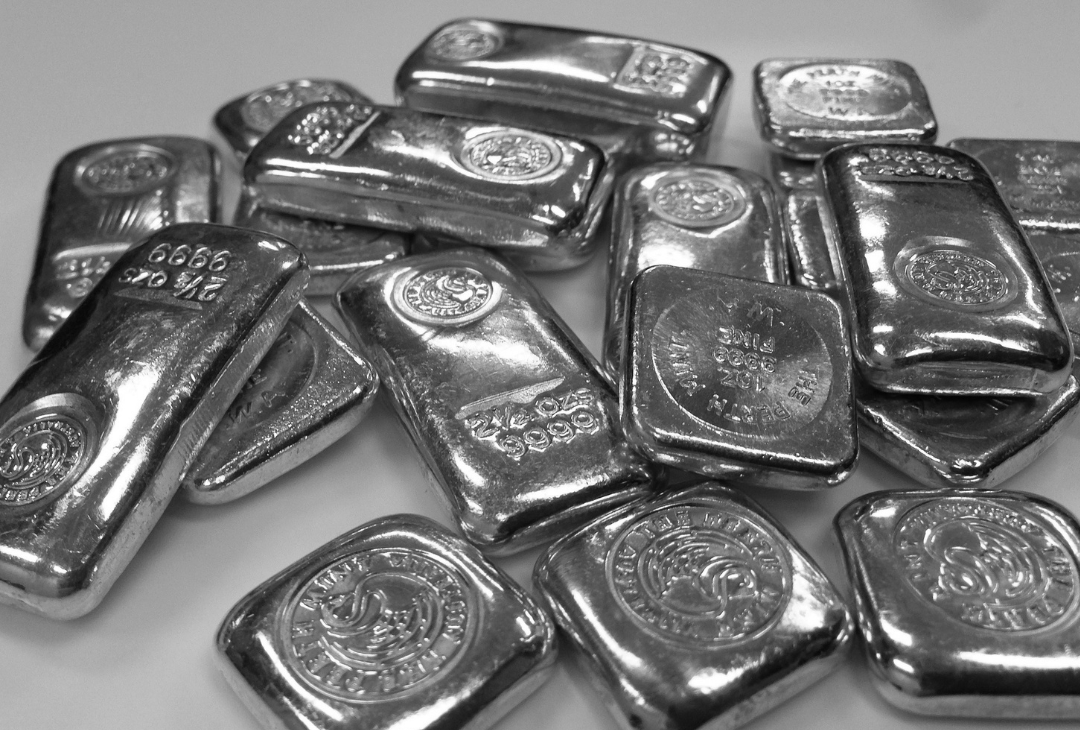
Während viele seit Jahren bezweifeln, dass die USA dieses Gold tatsächlich besitzt, machen sich die wenigsten über die tatsächliche Zusammensetzung des Goldes Gedanken. Der Grossteil besteht aus „Münzbarren“, die vor Jahrzehnten durch das Einschmelzen von US-Goldmünzen aus der Zeit vor 1933 hergestellt wurden. Diese Münzen wurden mit einem Feingehalt von 0,900 geprägt, d. h. sie bestanden zu 90 % aus Gold, das vor allem mit Kupfer legiert war, um ihre Haltbarkeit im Umlauf zu gewährleisten. Als Präsident Franklin D. Roosevelt 1933 seine berüchtigte Executive Order 6102 erliess, mit der er den privaten Goldbesitz zur Unterstützung einer expansiven Geldpolitik faktisch verbot, flossen riesige Mengen dieser Münzen in die Staatskassen. Banken und die Federal Reserve gaben ihre Bestände ab, und ein Grossteil der Bevölkerung fügte sich. Die eingesammelten Münzen wurden zu Barren eingeschmolzen, die bis heute ihre ursprüngliche geringere Reinheit beibehalten.
Detaillierte Aufstellungen, die im Rahmen einer Anhörung des Ausschusses für Finanzdienstleistungen des Repräsentantenhauses im Jahr 2011 veröffentlicht wurden, vermitteln ein klares Bild der Reinheitsverteilung, insbesondere hinsichtlich der Tiefenlagerreserven, zu denen auch die Bestände in Fort Knox gehören. Diesen Aufzeichnungen zufolge weisen etwa 64 % der Barren einen Feingehalt zwischen 899 und 901 auf (etwa 90 % rein), 2 % liegen zwischen 901,1 und 915,4 und 17 % zwischen 915,5 und 917. Nur etwa 17 % erreichen oder überschreiten einen Feingehalt von 995, die Schwelle für modernes hochreines Edelmetall. Dies ergibt einen durchschnittlichen Feingehalt der US-Reserven von etwa 916,7, was einem Reinheitsgrad von 91,67 % entspricht. Diese Zahlen stimmen mit den Beschreibungen aus den Unterlagen des Finanzministeriums und der Münzanstalt überein, die in Kongressaussagen geprüft und in Analysen der Edelmetallbranche zusammengefasst wurden.
Auf dem heutigen globalen Goldmarkt spielt dies eine Rolle … und zwar eine sehr grosse! Die London Bullion Market Association (LBMA), die die De-facto-Standards für internationale Abrechnungen festlegt, verlangt, dass „Good Delivery“-Barren zwischen 350 und 430 Fein-Troy-Unzen Gold mit einem Mindestfeingehalt von 995,0 (99,5 % rein) enthalten. Viele Märkte bevorzugen mittlerweile die noch höhere Reinheit von 999,9. Ältere „Münzbarren“ im Bereich von 899 bis 917 erfüllen diese Spezifikationen ohne zusätzliche Raffination nicht. Obwohl sie echtes Gold enthalten und nach früheren Standards akzeptabel waren, müssten sie heute wahrscheinlich aufbereitet werden (oder würden erhebliche Preisabschläge hinnehmen müssen), bevor sie in internationalen Transaktionen akzeptiert würden.
Die Zentralbanken sind sich dieser Unterscheidung bewusst. Frankreich beispielsweise hat Barren höherer Qualität aus den USA in inländische Lager zurückgeholt und gleichzeitig Bestände minderer Qualität verkauft oder angepasst. Für die USA mit ihren riesigen historischen Beständen stellt die geringere durchschnittliche Reinheit zwar keine unmittelbare Krise dar, da die Reserven als strategischer Vermögenswert weitgehend unberührt bleiben, doch bedeutet sie eine praktische Einschränkung. In jedem Szenario, das eine rasche Mobilisierung des Goldes erfordert – sei es zur Stützung der Währung, zur Begleichung von Schulden oder zur Reaktion auf geopolitische Notfälle –, könnten Raffineriekapazitäten und Zeit zu entscheidenden Faktoren werden.
Die Geschichte des Goldes von Fort Knox ist untrennbar mit der allgemeinen Währungsgeschichte verbunden. Nach der Aufgabe des Goldstandards schloss die US-Regierung diese Barren als Relikt einer vergangenen Ära weg. Das Depot selbst wurde zu einem Symbol der Stabilität, doch Fragen hinsichtlich vollständiger Transparenz bleiben bestehen. Zwar führen der Generalinspekteur des Finanzministeriums und andere seit den 1970er Jahren statistische Stichproben, Siegelkontrollen und Bestandsüberprüfungen durch, doch hat seit Jahrzehnten keine umfassende öffentliche Prüfung mit vollständiger physischer Inspektion, Verwiegung und Analyse jedes einzelnen Goldbarrens mehr stattgefunden. Die berühmte Besichtigung von 1974 war begrenzt, und Kritiker argumentieren, dass den laufenden Verfahren die Strenge fehlt, die von privaten Lagerstätten verlangt wird. Mit anderen Worten: Seriöse Goldlagerunternehmen unterliegen strengeren Standards als die US-Regierung selbst.
In Fort Knox wird echtes Gold aufbewahrt, das grösstenteils durch Beschlagnahmungen, Leih- und Pachtprogramme sowie im Rahmen des regulären Geschäftsbetriebs angehäuft wurde; es handelt sich nicht um einen leeren Tresorraum oder um Fälschungen, wie manche extreme Theorien behaupten. Doch sein Inhalt spiegelt die Kompromisse der Geschichte wider: eingeschmolzene Münzen aus einer Zeit, als Gold im täglichen Leben im Umlauf war, die nun in einer Form gelagert werden, die nicht mehr ganz den Goldbarrenstandards des 21. Jahrhunderts entspricht.
Letztendlich unterstreicht die Geschichte von Fort Knox einen allgemeinen Grundsatz im Bereich der Edelmetalle: Herkunft und Qualität sind entscheidend, insbesondere wenn man schnell und effizient verkaufen muss. Sowohl Investoren als auch Staaten müssen nicht nur wissen (und nachweisen können), dass ihr Gold existiert, sondern auch dessen genaue Form, Reinheit, Herkunft und Marktfähigkeit. Unabhängig davon, ob es von Zentralbanken oder Privatpersonen gehalten wird, hängt der Wert von Gold als Absicherung und Wertspeicher von überprüfbaren Eigenschaften und einer transparenten Verwahrung ab. Dies ist besonders wichtig in einer Zeit, in der gefälschte Edelmetalle zu einem ernsthaften Problem in der Branche werden und das Motto „Vertrauen ist gut, Kontrolle ist besser“ immer wichtiger wird.