.svg)
Gold ist ein strategischer Vermögenswert mit signifikanten Diversifikationsvorteilen. Historisch weist es in Phasen von Marktturbulenzen, geopolitischen Krisen oder Finanzkrisen eine geringe bis negative Korrelation zu Aktien und Anleihen auf. Als Bestandteil eines diversifizierten Portfolios hilft Gold, die Volatilität zu reduzieren und die langfristige risikobereinigte Rendite zu steigern.
Bewährter Krisenschutz
Gold hat sich über Jahrhunderte hinweg als zuverlässiger Krisenschutz bewährt. Seine Fähigkeit, Inflation, Währungsabwertungen und systemische Schocks zu überstehen, unterstreicht seine Rolle als stabiles langfristiges Wertaufbewahrungsmittel – insbesondere in Phasen wirtschaftlicher und politischer Unsicherheit.

Echte Diversifikation
Dank seiner historisch niedrigen oder negativen Korrelation zu Aktien und Anleihen ist Gold ein wirksamer Diversifikator. In Marktkrisen und geopolitischen Unsicherheiten fungiert physisches Gold als Gegengewicht, senkt die Volatilität und verbessert die langfristige risikobereinigte Rendite des Portfolios.

Beständiger Wert

Im Gegensatz zu Fiat-Währungen und den meisten Finanzinstrumenten stellt physisches Gold weder eine Verbindlichkeit noch eine Forderung dar und ist keinem Kreditrisiko ausgesetzt.
Direktes physisches Eigentum schafft absolute Klarheit und unterscheidet sich grundlegend von kontobasierten oder abstrakten Finanzinstrumenten.
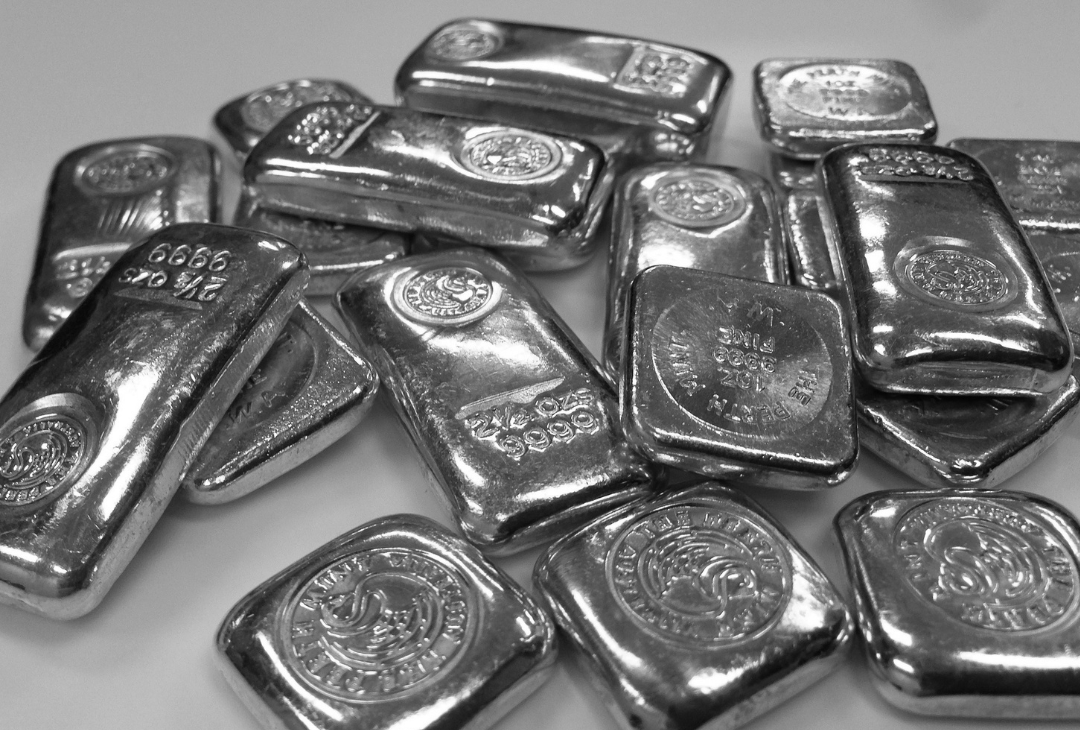
Um die Diversifikations- und Werterhaltungseigenschaften von Gold optimal zu nutzen, sollte das Engagement ausschliesslich auf hochreines physisches Anlagegold beschränkt werden – in Form von Barren oder Münzen, deren Wert sich allein nach Gewicht und Marktpreis bemisst, ohne sammler- oder designbedingte Aufschläge.
Die begrenzte Verfügbarkeit von Gold hat über Jahrhunderte Vermögen bewahrt und häufig sogar gesteigert – durch alle Konjunkturzyklen, Kriege, Inflationsphasen und politischen Umbrüche hindurch. Physisches Gold behält seinen intrinsischen Wert unabhängig von Emittenten, Finanzsystemen oder politischen Rahmenbedingungen.
In geeigneten Formaten und Verwahrstrukturen zählt Gold zu den liquidesten Vermögenswerten weltweit. Der globale Handel ist tief und kontinuierlich, sodass auch in angespannten Marktphasen eine effiziente Umwandlung in Liquidität möglich bleibt.
Physisches Edelmetall ist keine Verbindlichkeit eines Dritten und unterliegt weder Kredit- noch Kontrahentenrisiko. Es gewährt volle Unabhängigkeit von Banken, Staaten und Finanzintermediären.
Dank seiner historisch geringen Korrelation zu traditionellen Finanzanlagen verbessert Gold die Diversifikation in breit gestreuten Portfolios und trägt besonders in volatilen Marktphasen zur Stabilisierung bei.
Gold hat seine Kaufkraft in Inflations- und Abwertungsphasen historisch zuverlässig bewahrt. Seine natürliche Knappheit unterscheidet es grundlegend von Fiat-Währungen, die durch Geldpolitik und steigende Verschuldung beliebig ausgeweitet werden können.
In Zeiten geopolitischer Spannungen, finanzieller Instabilität oder systemischer Risiken dient Gold seit jeher als bewährter Zufluchtsort für Kapital. Es kann seinen Wert halten oder sogar steigern, während andere Anlageklassen unter Druck geraten.
Als physischer Wert mit intrinsischem Wert unterscheidet sich Gold grundlegend von papierbasierten Ansprüchen, digitalen Instrumenten oder ungedeckten Finanzprodukten.
Gold dient als stabilisierender Anker in Portfolios – besonders in einem Umfeld hoher Verschuldung, fragiler Bankensysteme und wirtschaftspolitischer Unsicherheit.
Gold generiert keine laufenden Erträge, gerade weil es kein Kontrahentenrisiko trägt und keine Verpflichtung eines Emittenten darstellt. Über lange Zeiträume hat es sich im risikobereinigten Vergleich mit vielen zinstragenden Anlagen als wettbewerbsfähig erwiesen.
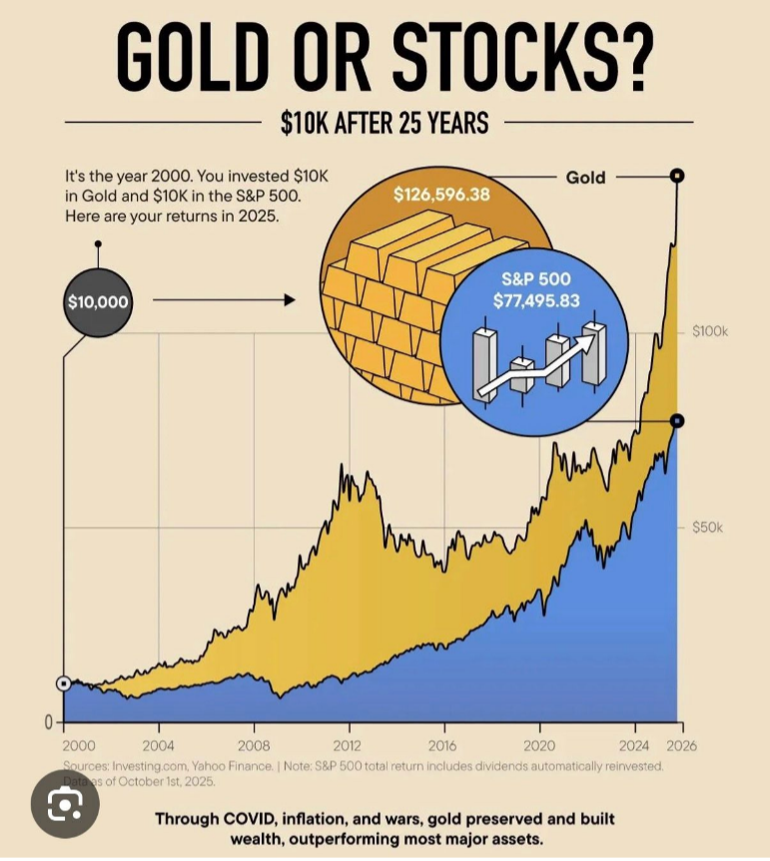
Strukturelle Faktoren wie die Diversifikation von Zentralbankreserven, hohe globale Verschuldung und begrenztes Angebotswachstum stärken die Rolle von Gold als langfristiger Stabilitätsanker im Portfolio. Diese Entwicklungen unterstreichen seine Bedeutung als strategische Anlage und nicht als kurzfristige Positionierung.